




|
Lakes
Butrint
|

More photos
from the Butrint Wetland
|
Total site area |
13,500 ha |
|
Coordinates |
9º 50' N and 20º 00' E |
|
Ramsar
wetland type dominant |
Coastal
brackish/saline lagoons; brackish to saline lagoons with at least
one relatively narrow connection to the sea. |
|
Maximum
elevation |
845
meters |
|
Transboundary |
Yes
|
Site
Profile
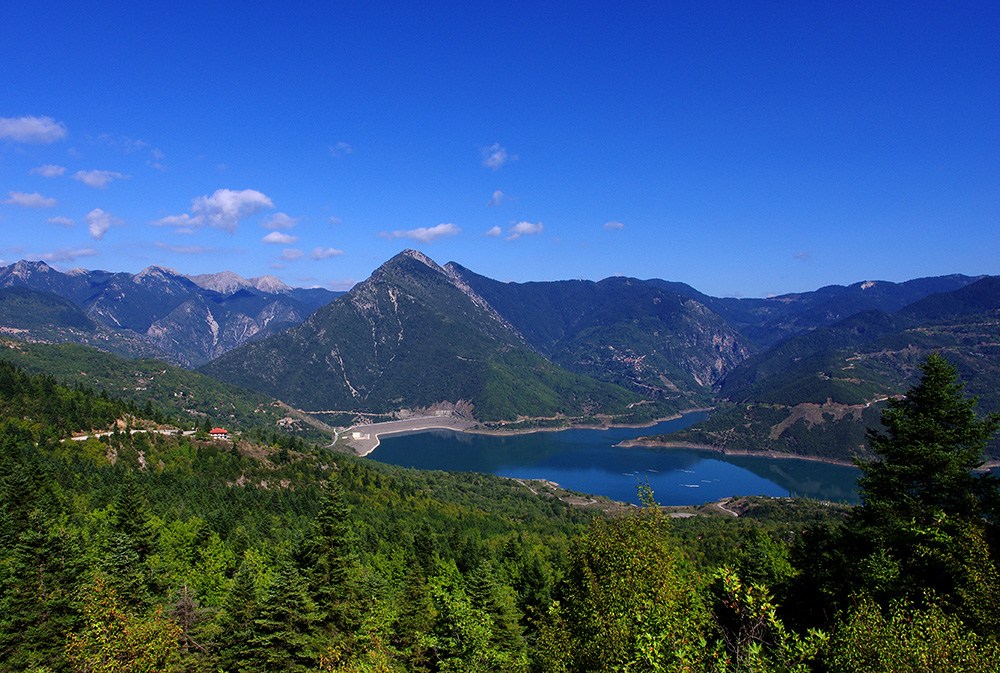
Butrint Wetland Complex is situated in the Saranda district,
opposite the
island
of Corfu
and close to the Greek-Albanian border. The area is largely a wetland
site set with lakes and dissected by two rivers, the Bistrica to the
north and Pavllo to the south. To the east, Mile
Mountain
(824 m) separates the wetland complex from the interior of Albania.
The
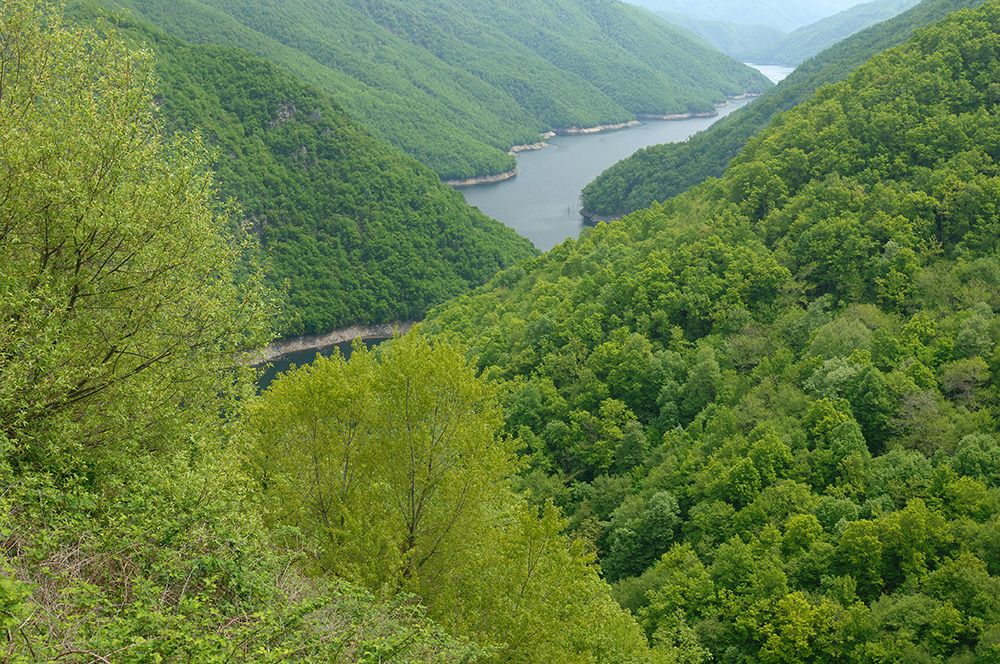
area has an outstanding landscape value with a high variety of natural,
semi-natural and artificial habitats. These include oak woodland,
typical Mediterranean maquis, the brackish
lake
of
Bufi
(Rreza), the saltwater
lagoon of Butrint, salt marshes of Alinura, a rocky limestone coast, the
outlets of the Bistrica and Pavllo rivers, open halophytic lands and
arable lands.
Butrint
is famous for its cultural, historical and natural values. In 1948,
following fifteen years of archaeological excavations (1928-1943), the
main site of Butrint was designated as an Albanian
Cultural
Monument. In 1992, UNESCO approved
the nomination of the main site as a World Heritage Site on the basis of
cultural heritage criterion (iii): "The evolution of the old
natural environment, which led the inhabitants to abandon Butrinti at
the end of the Middle Ages, means that this archaeological site provides
valuable evidence of ancient and medieval civilizations on the territory
of modern Albania" (text from ICOMOS evaluation, October 1992).
Since then the World Heritage Site has been enlarged to incorporate an
area of 2500 ha (World Heritage Committee, Dec 1999) and established as
a
National
Archaeological
Park (Council of Ministers,
April 2000).
On
October 2002, Butrint was designated as Ramsar Site. Thus Butrint was
nationally and internationally accepted as a wetland site of global
importance for its environmental, historical and cultural values.
Recent
surveys on habitats and species have concluded that:
|
Ø Butrint represents a unique
wetland site in the Mediterranean Region, a blend of cultural and
historic landscapes, which house a wide variety of habitats and
species and offer an outstanding landscape value;
Ø Butrint
supports Species Endangered nationally and internationally;
Ø
Butrint supports a high proportion of biodiversity in
Albania
and it is particularly important for birds, reptiles, amphibians
and mammals;
Ø
Butrint's
habitats offer an important site for fish stocks either for food,
spawning grounds, nurseries and migration paths on which fish;
Ø Butrint is an
important economic resource for more than 8000 inhabitants and a
focus for tourism. It is the primary attraction for visitors to
the region and potential gateway to other archaeological and
natural sites in southern
Albania;
Ø
Butrint
is an educational resource for schools and the general public.
Over 10,000 school children visit the site each year.
|
|