|
Small
Prespa Lake
|

More photos
from Small Prespa Lake
|
Total site area |
13,500 ha |
|
Coordinates |
40°
46' N and 21° 05' E
|
|
Ramsar
wetland type dominant |
Permanent
freshwater lakes |
|
Maximum
elevation |
852
- 855
meters |
|
Transboundary |
Yes
|
Site
Profile
The
Small
Prespa
Lake
is situated
in the
Balkan
Peninsula
at the
border triangle of
Albania
,
Greece
and
F.Y.R.O.M. Albania is sharing
Small
Prespa
Lake
with
Greece
and
Big
Prespa
Lake
with
F.Y.R.O.M. and
Greece
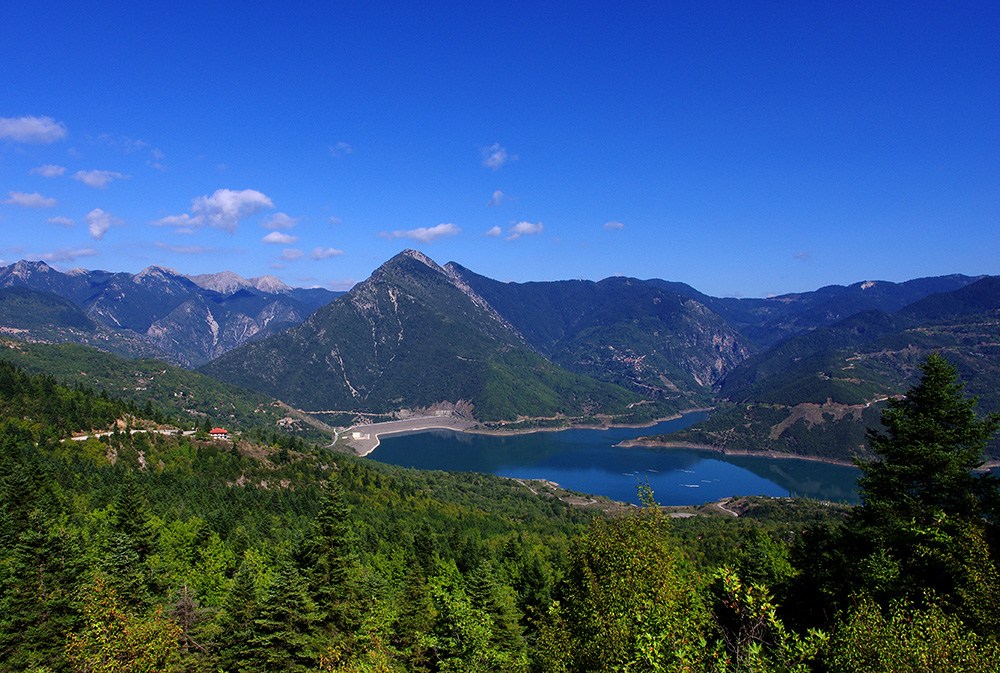
. The Prespa
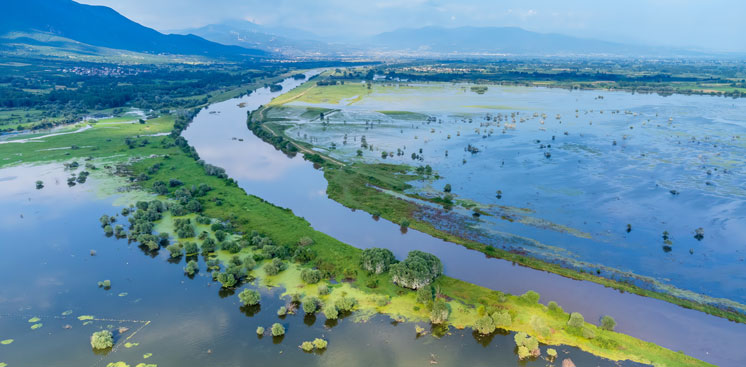
lakes region is about two lakes of a mountain drain basin that are split
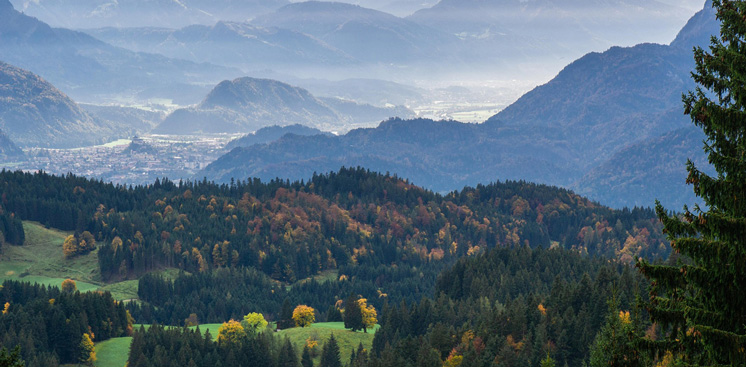
by a narrow land strip and are surrounded by mountains. The basin has no
surface outflow, with Small Prespa flowing into Big Prespa, which in
turn flows into the
Ohrid
Lake
basin via
subterranean channels and from there to the
Adriatic Sea
. The
Lake
is 45.39
km2 in size its higher for 3 m than the size of the Greek part of the
Big Lake Prespa.
Small
Prespa
Lake
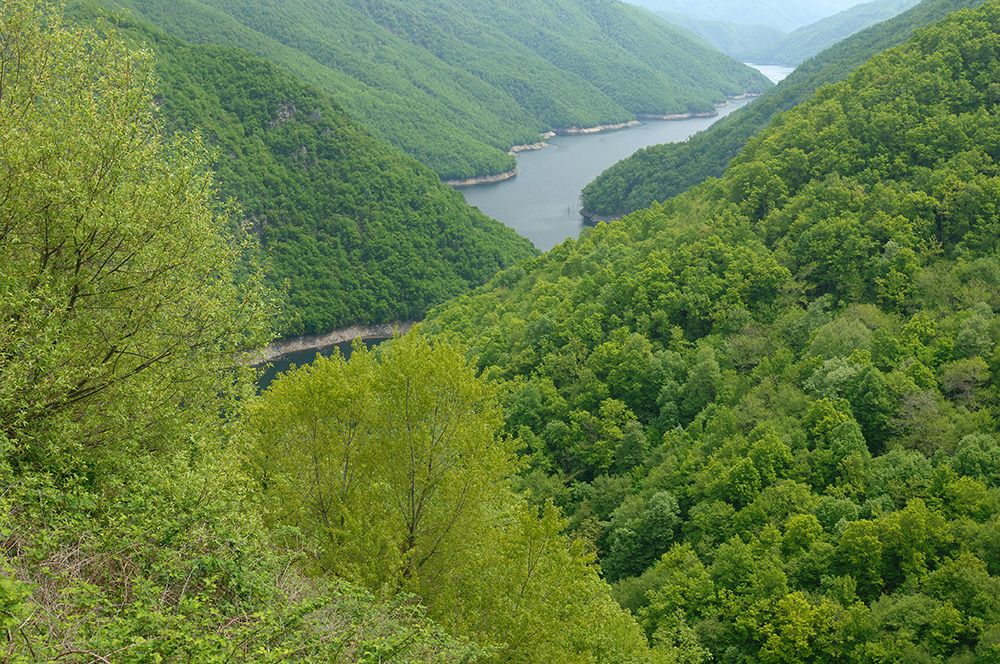
has several
extended shallow zones with reedbeds and aquatic vegetation, wet
meadows, pastures and agricultural land. The main human activities are
agriculture, fishery and hunting. Of great ecological importance are the
periodically flooded meadows located between the agricultural land and
the northern reedbed, which serve as feeding sites for many waterbirds
and as spawning areas for the lake’s fish populations.
Micro
Prespa
Lake
in
particular has been recognized as an important wetland ecosystems
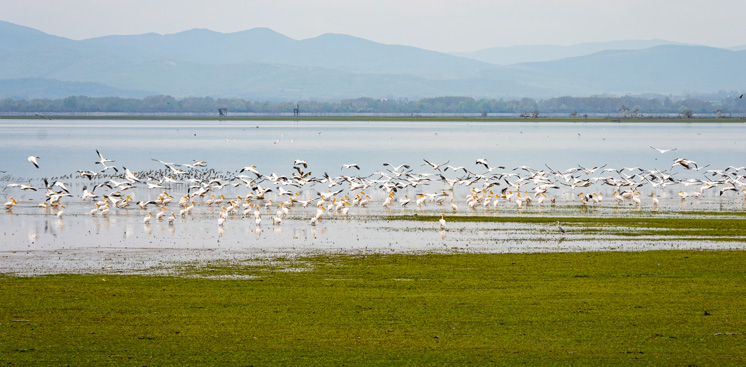
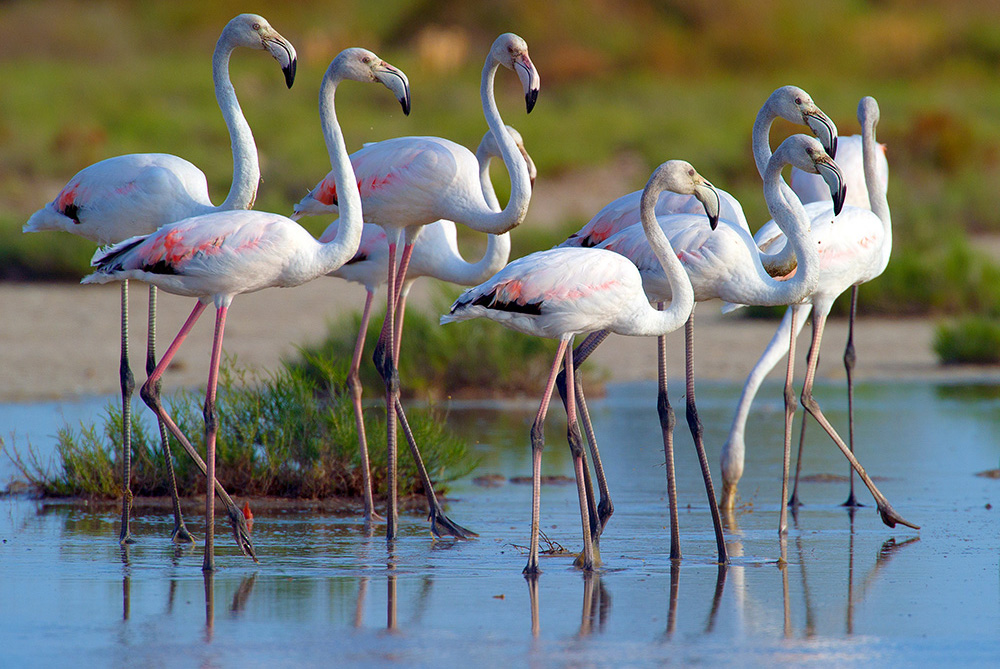
favoring breeding and feeding of rare water bird species. It is best
known for hosting the largest breeding colony of the Dalmatian pelican
in the world. The flora in the region is composed of more than 1,500
plant species of which 146 endemic species in the
Lake
Ohrid
and 39
endemic species from the
Prespa
Lakes
. Micro
Prespa on the Greek side is a RAMSAR site.
At
the beginning of 2002, on the occasion of the World Wetlands Day, the
Prime Ministers of Albania,
Greece
and
F.Y.R.O.M. jointly declared the establishment of
Prespa
Park
, a new
protected area including the large and small
Prespa
Lakes
with the
surrounding forests, which go across all three countries. This is the
first ecologically protected area in the Balkans running across three
different countries.
During
1970 significant amounts of water from the Devolli river was diverted
into the lake with the intention to use it latter during the summer time
for the irrigation purposes. Due to the high suspended solids in the
river water significant siltation did occur on the Albanian side. The
practice has recently stopped. The Albanian part of this lake has a
surface of 420 hectares.
Socio-economic
importance
Around 5,000 people in the Albanian part of the basin are engaged mainly
in subsistence farming, the former collective agricultural system having
been abandoned since the collapse of the totalitarian regime. Basic
infrastructure has deteriorated and communities are under strong
economic pressure to overexploit natural resources.
|